Introduction
The Team
Sigrid Bakås, Vendel Eikemo,
Emma Hjellestad og Yara Mathisen
Problem Statement
How can digital tools affect the workflow in the company, and how can interaction design contribute to improving this workflow?
My Role & Main Responsibilities
UX Designer
Data collection, data analysis, user testing, and design
4 months
Duration of Project
Bergensavisen told us in an interview that they struggled with many different desk tools that didn't communicate with each other. They further told us that comparing statistics and data from the cases was a large part of their job.
The Case from Bergensavisen
The Result
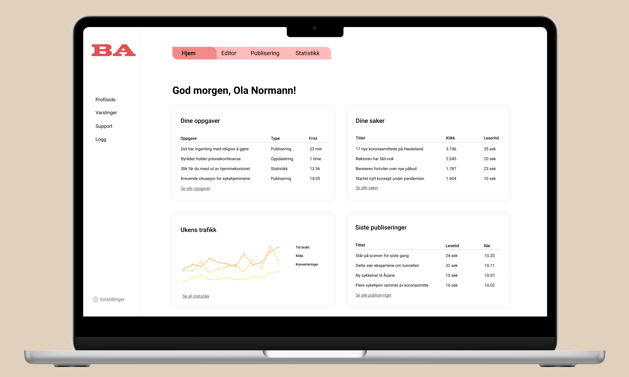
Based on the findings from the interview with Bergensavisen, we created a prototype for an integrated desk system for the journalists, covering everything from research to publication.
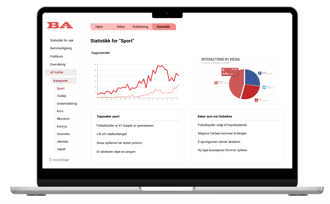
Since statistics were a major pain point for the journalists, we chose to focus on this aspect first for the project.
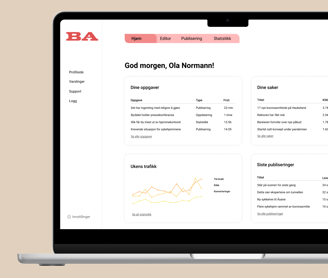
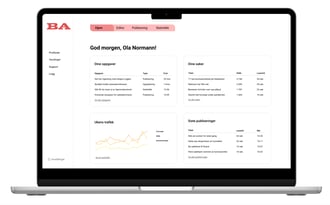
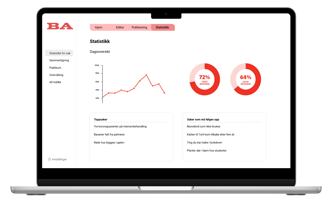
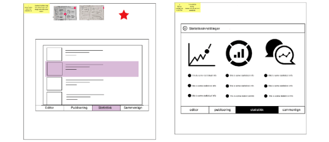
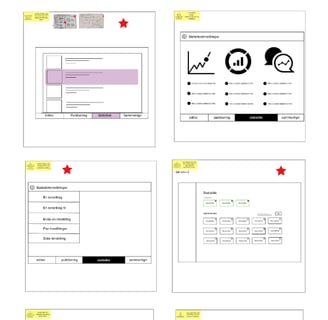
The homepage (image 1) provides the journalist with essential information, such as which tasks they need to tackle first and the traffic for the week.
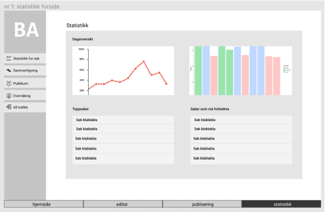
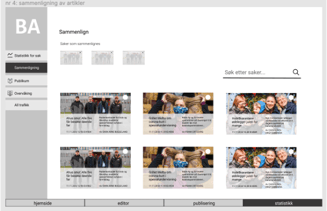
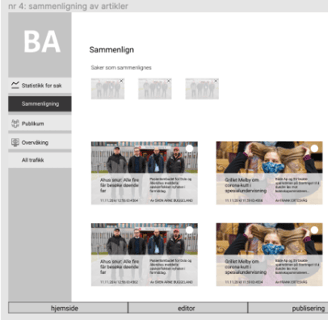
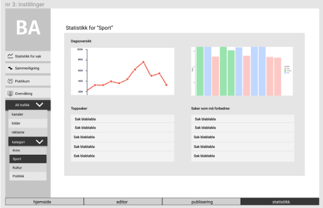
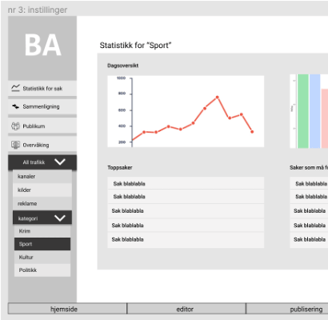
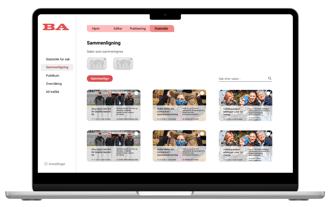
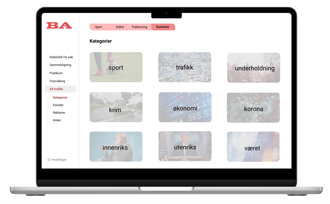
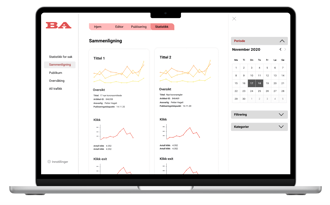
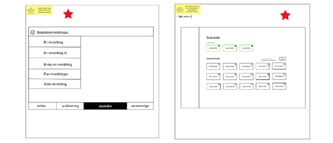
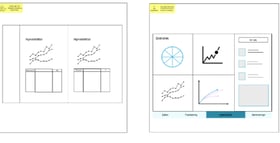
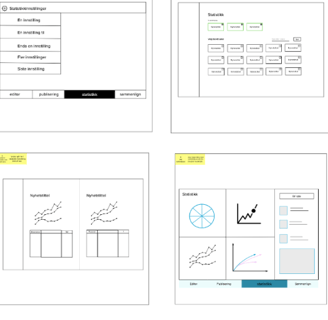
Statistics (image 2) give the journalist a general overview and access to statistics for categories (images 3 and 4), along with the ability to compare cases (images 5 and 6).
Lessons Learned
First Encounter with a Google Design Sprint
Challenges Related to Recruitment and Solutions for Them
My first real experience with a Google Design Sprint. I liked it because it:
Encouraged creativity and ensured all ideas were equally heard.
Provided quick progress and boosted team efficiency.
Prevented endless debates over small details, pushing us to move forward and trust our instincts.
Challenges in projects can vary, but recruitment issues are a common example.
Our Experience: We faced recruitment challenges in this project, and due to tight deadlines, had to make some assumptions to complete it.
Addressing the Problem: It's crucial to tackle recruitment issues and explore alternatives.
Potential Solutions: Consider using proxy users, involving other stakeholders,
or adjusting the approach to workshops or data collection.Takeaway: To avoid this situation in the future, it's important to stay solution-focused.
Process and Methodology
BA's tools and features were added over time, leading to a fragmented system with many programs that don’t communicate with each other.
Current Setup: Separate tools for front-end editing and various statistics, requiring time-consuming data interpretation and comparison.
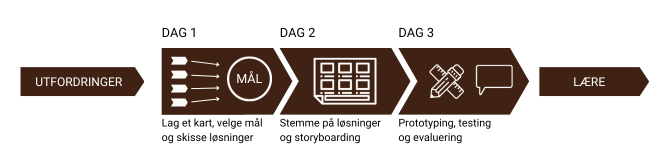
Fieldwork: After our initial fieldwork at Bergensavisen (BA), we used the sprint method to address these challenges.
Sprint Process: We condensed the sprint from five days to three, prioritizing efficiency. The sprint was designed to minimize resource use in idea development before considering a full product.
Sprint: Day 1
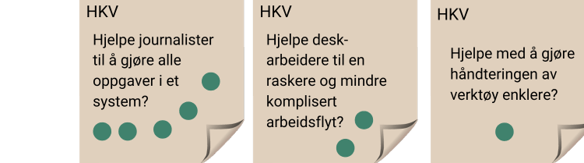
After selecting Decider, we conducted two rounds of "How Might We" (HMW). The resulting HMW questions were categorized and voted on, with Decider having the deciding vote:
"How might we help journalists complete all tasks within one system?"
How Might We?
Long Term Goal
Sprint Question
“In two years, journalists will have efficient tools that work together. They will have more time and work more effectively, as tasks can be performed within a single system.”
The sprint question determined the main focus of the iteration.
"Based on user test results, are we heading in the right direction or not?"
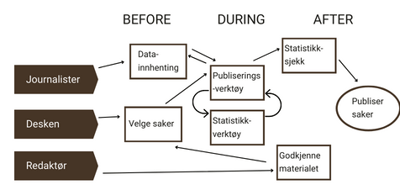
Mapping of the Workflow
We continued by mapping the workflow. The map included stakeholders and the process at Bergensavisen for sending out a news story. It was categorized as “before,” “during,” and “after.” We then identified the problem area, with Decider having the final vote.
Lightning demos & Crazy 8s
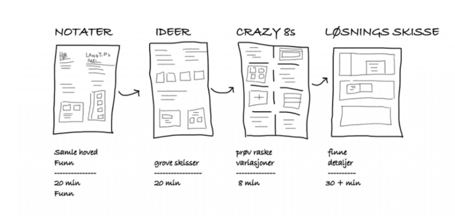
Lightning Demos are used to gather inspiration for the solution. We reviewed Instagram’s Insights feature and Google Analytics for ideas and sketched concepts based on this information.
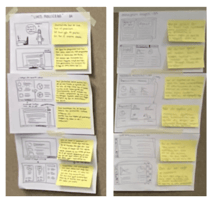
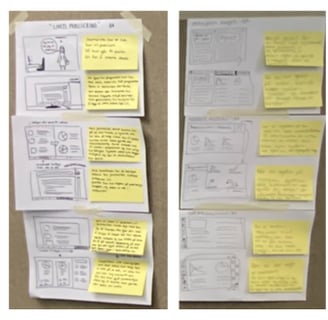
The next steps included individual Crazy 8s, and the final task of the day was Individual Solution Sketches. Drawings on three A4 sheets with the best ideas were taped together to create anonymized, self-explanatory solution proposals.
Storyboarding and sketching in Mural
Sprint: Day 2
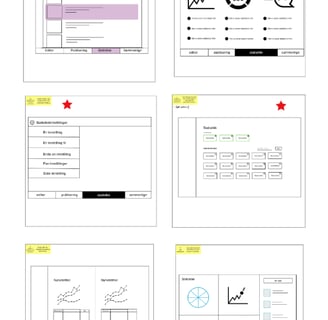
Day 2 was held digitally via Zoom and Mural due to the pandemic. In Mural, we reviewed the previous day's solution sketches (images to the right). Using concept heat map voting, we identified the most promising areas with red dots.
The chosen concept drew inspiration from Instagram’s features, incorporating the best elements from all ideas and was assumed to work well as a prototype. This flow was then converted into a storyboard (images below) to identify issues before starting the prototype.
Sprint: Dag 3
Prototyping and Testing
On Day 3, we assigned roles for prototyping, testing, and resource gathering. This role distribution helps provide “fresh eyes” on the prototype and avoids becoming blind to one’s own work.
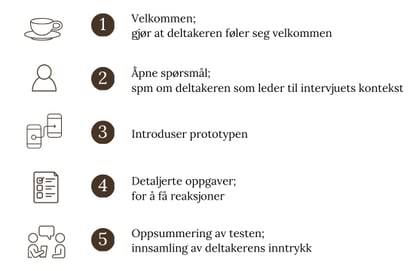
Prototyping was conducted in three intervals, with summaries and breaks after each round. The five-step interview and test guide is shown to the right.
Initially, two team members worked on the prototype, then roles were swapped to check its functionality before testing. The prototype from Day 3 is shown in the images below.